
All Home Notes 02
Shared spaces
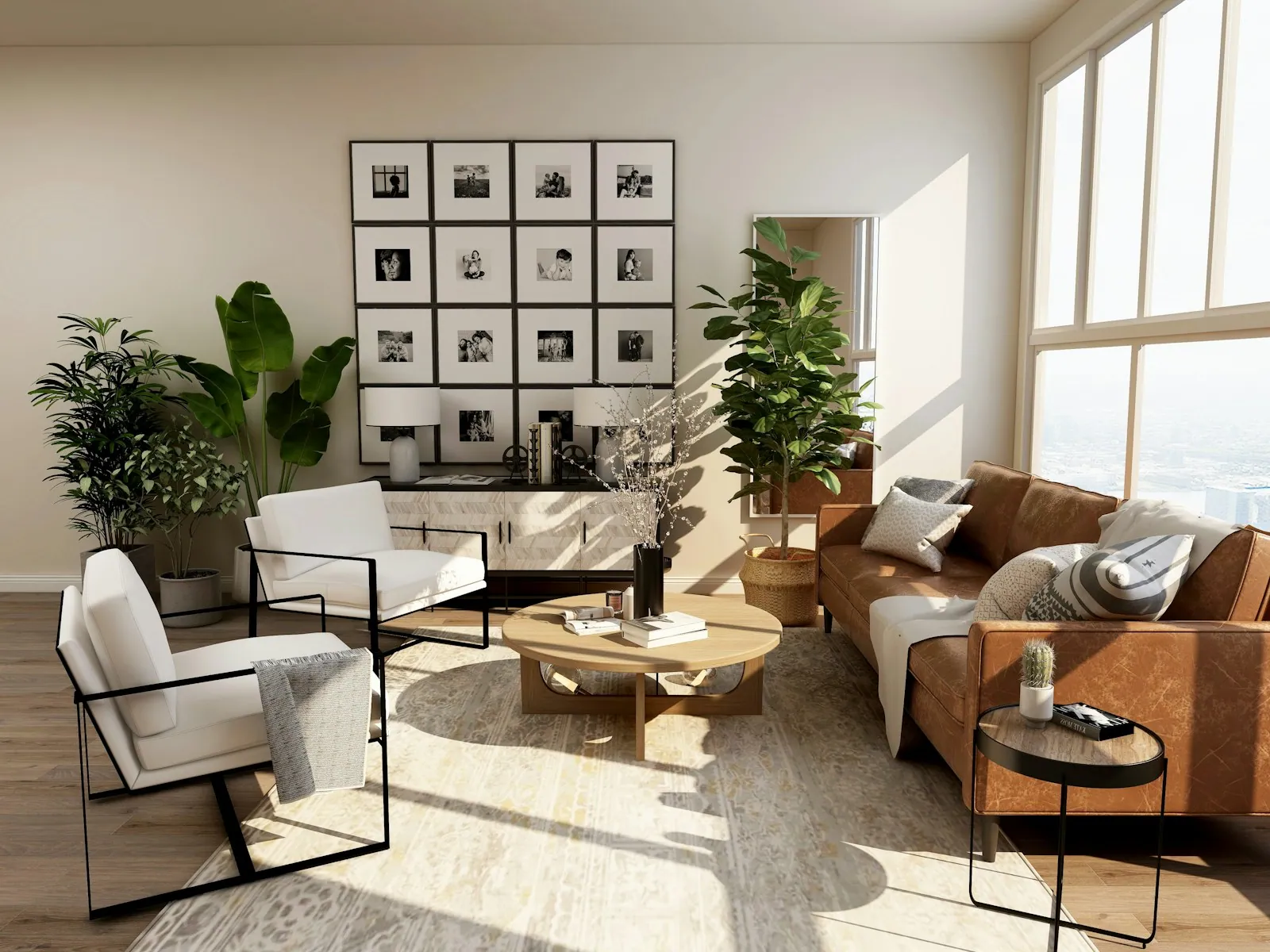
Living rooms, entryways, and dining areas work best when everyone can understand where things belong and the room can adapt without a complicated reset.
A practical approach
Make shared rooms easier to read, use, and restore.
Give movement a clear path
Keep the most common route through the room open. Furniture and storage should support the way people already enter, sit, gather, and leave.
Create visible landing zones
A hook, shelf, tray, or basket near the point of use makes everyday storage easier to understand for everyone in the home.
Choose adaptable pieces
Open surfaces and movable objects help the room shift between conversation, work, meals, and quiet time without feeling improvised.
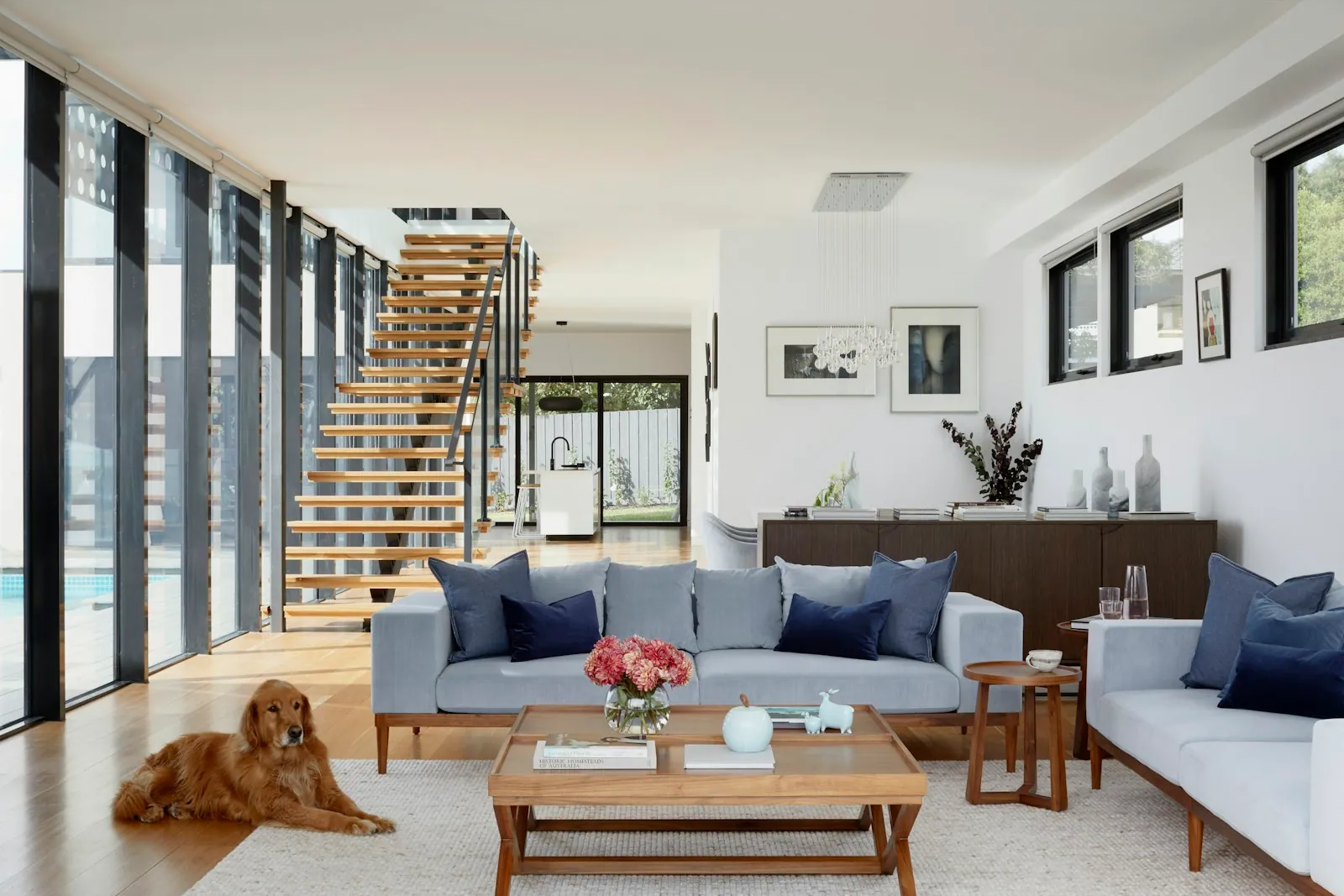
A shared space feels calm when its organization is obvious enough that no one needs special instructions to use it.
Try it at home
A simple starting checklist.
- Walk the normal path through the room before moving furniture.
- Put storage close to where an item is usually dropped.
- Group related objects instead of spreading them across the room.
- Keep one shared surface available for changing activities.
- Use labels or consistent containers only where they reduce confusion.